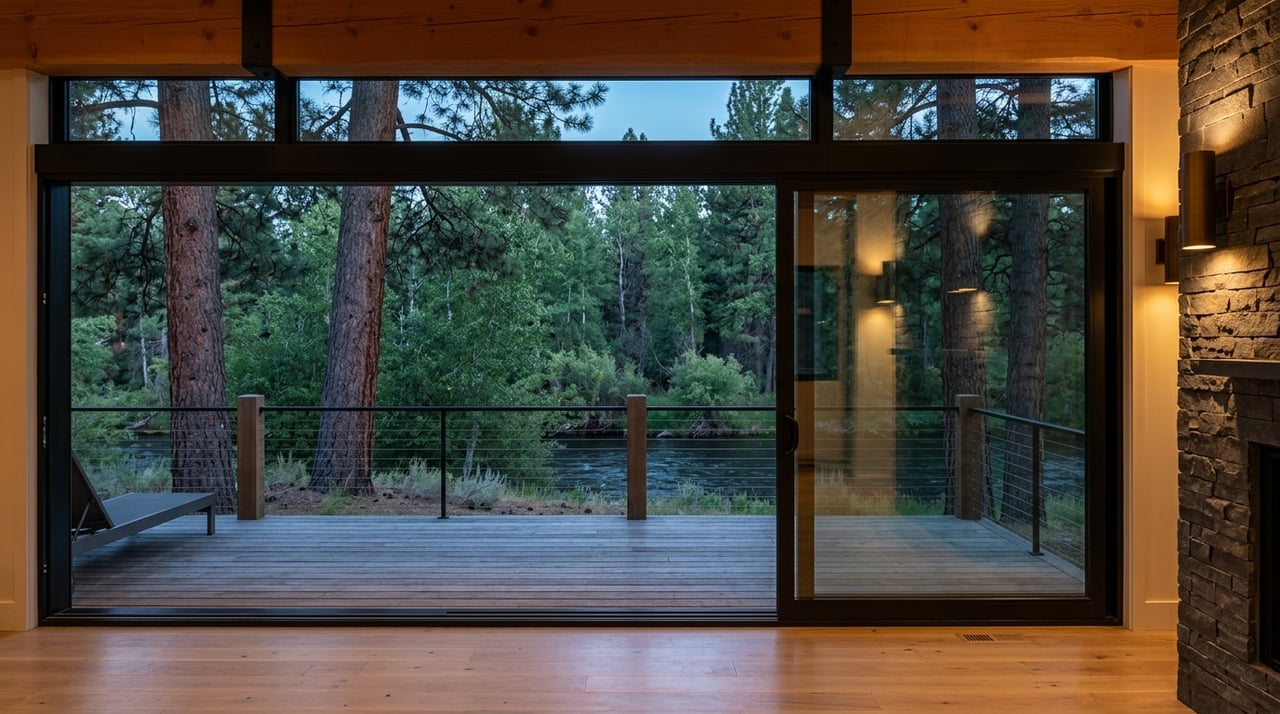
If you are drawn to the idea of water in Southwest Colorado, the Dolores River and McPhee Lake offer a very different kind of buying opportunity than a typical waterfront market. Here, the appeal is less about rows of private docks and more about open space, managed water, public land, and a strong outdoor rhythm that shapes daily life. If you are considering a purchase in or around Dolores, understanding how access, seasonality, and land status work can help you buy with more confidence. Let’s dive in.
Why This Area Feels Different
Buying along the Dolores River and McPhee Lake means stepping into a landscape defined by piñon, juniper, sagebrush, and wide-open views. McPhee Reservoir is the largest lake in the San Juan National Forest and the second largest in Colorado, with about 50 miles of shoreline. That scale gives the area a broad, scenic feel, but it does not translate into endless private waterfront inventory.
A big reason is land ownership. Public and managed lands shape much of the area around the reservoir, with the San Juan National Forest bordering parts of McPhee to the north and east. For you as a buyer, that means the setting can feel wonderfully protected, but truly private water-adjacent opportunities are limited.
McPhee Lake Living
If your vision includes boating, fishing, trail access, and a warm-season retreat, McPhee Lake may be the better fit. The reservoir functions as a major recreation hub, with the McPhee Recreation Complex on the south shore and House Creek serving as another major access point across the water. In practice, that makes lake living here more about proximity to recreation infrastructure than about private shoreline control.
That distinction matters when you compare properties. A home that is near McPhee may offer easy access to boat ramps, fishing spots, and views, even if it is not directly on the water. In this market, lifestyle value often comes from how quickly you can get out on the lake or onto nearby trails.
Expect a Seasonal Boating Calendar
McPhee has a clear seasonal pattern. The main boat ramp is typically open from mid-April through October, and the full-service marina generally operates from May through October. If you are buying with boating in mind, that seasonality should be part of how you evaluate convenience and use.
There is also a required inspection process before launch. Trailered boats and intake motors must be inspected for aquatic nuisance species, and current boat registration is required before launching. If you plan to entertain guests or keep a boat ready for regular use, this is worth factoring into your expectations.
Recreation Extends Beyond the Shoreline
One of the strongest reasons buyers are drawn to McPhee is that the lifestyle extends beyond the water itself. The area includes fishing access points, day-use areas, biking routes, hiking opportunities, and scenic overlooks. The McPhee Campground, for example, sits on a mesa above the reservoir, underscoring that many of the best experiences here come from the broader terrain, not just the edge of the lake.
That wider outdoor setting can make nearby acreage and retreat properties especially appealing. You may not be buying a classic waterfront parcel, but you may be buying a home base for boating, hiking, cycling, and quiet time in a striking Southwest Colorado landscape.
Dolores River Living
If McPhee offers a warm-season lake lifestyle, the Dolores River presents a more changeable and often more technical experience. Buyers are sometimes surprised to learn that the lower Dolores does not offer a predictable boating season. According to the Bureau of Land Management, flows are erratic, the boating season can be very limited or even non-existent in some periods, and peak flows generally arrive between late April and early May.
That makes river-oriented buying a different decision. If your goal is consistent water recreation from your property search, river frontage should be evaluated carefully. The river can still be beautiful and highly appealing, but its recreational character is not the same as a reservoir-based market.
River Access Can Be More Complex
Floating the lower Dolores requires a free permit, and land ownership along the corridor is mixed. For you, that means scenic proximity to the river is not the same as simple recreational use. Access, launch practicality, and adjacent ownership patterns all deserve close review before you move forward.
This is one of the biggest differences between buying near McPhee and buying near the river. Reservoir living tends to offer more structured recreation access, while river living can be more seasonal, less predictable, and more dependent on exact parcel location and legal access.
What to Verify Before You Make an Offer
In the Dolores and McPhee area, details matter. Because the Dolores Project is a managed water and recreation system that supports irrigation, municipal and industrial water, recreation, fish and wildlife, and hydroelectric power, you should avoid making assumptions about what a property allows simply because it appears close to water.
Before making an offer, it is smart to verify several property-specific items:
- Deeded access to the parcel and to any nearby water access point
- Shoreline use rights, if any
- Easements that affect access or use
- Road maintenance or road-use permissions
- Any launch permissions tied to a nearby access point
- Whether the property is truly private waterfront or simply water-adjacent
These checks become especially important where public and private land meet. In this part of Montezuma County, a map view can be misleading if you do not confirm the legal and physical realities of the site.
Review the Land Around the Home
The McPhee area includes forested, riparian, lakeshore, and agricultural lands, along with nearby wildlife habitat and migration corridors. For a buyer, that is more than background scenery. It can influence how a property is used, improved, fenced, and maintained over time.
You should also evaluate practical factors such as wildfire exposure, fence lines, and any development limitations that may affect a retreat property. A home or acreage parcel can feel wonderfully private here, but privacy often comes with a need for deeper due diligence.
Why Inventory Can Feel Limited
If you have been searching and wondering why there are not more options directly on the water, the answer is fairly straightforward. Shoreline is finite, and a meaningful share of the surrounding landscape is public land or managed land. That combination naturally limits the number of private properties that offer both water adjacency and straightforward use.
The area’s recreation calendar also plays a role. McPhee is a strong warmer-season draw, while upper Dolores recreation can shift by season and conditions. For many buyers, that makes access, land status, and water-use expectations more important than the simple label of “waterfront.”
What Draws Buyers to Dolores
The appeal of Dolores is not just water. It is the combination of scenery, recreation, open land, and cultural depth that makes this corner of Southwest Colorado stand out. Buyers looking for a second home, retreat property, or larger acreage often respond to that mix because it offers both breathing room and a meaningful sense of place.
The area also benefits from nearby destinations that add to its long-term appeal. The Canyons of the Ancients Visitor Center and Museum serves as the headquarters for Canyons of the Ancients National Monument, and it sits about 17 miles from Mesa Verde National Park. That gives Dolores a cultural and historic layer that many outdoor-focused markets do not have.
Outdoor recreation is also a major reason people are drawn to Montezuma County. In the county’s recreation study, more than 40% of resident respondents said recreation was the main reason they moved there. McPhee’s average annual incoming boat inspections, estimated at 4,773 from 2015 through 2022, also point to sustained seasonal use.
How to Think About Value Here
When you buy along the Dolores River or near McPhee Lake, value often comes from a combination of access, privacy, acreage, and the quality of the surrounding landscape. It is not always about direct frontage. In many cases, a well-positioned property with easy recreation access and strong land characteristics may offer a better fit than a parcel that looks close to water on paper.
That is why buyers in this market tend to do best when they treat access, water certainty, and land status as primary filters. Once those are clear, you can better judge whether a property supports the retreat lifestyle, recreation goals, or long-term ownership experience you want.
If you are exploring Dolores for a second home, recreational acreage, or a distinctive Southwest Colorado retreat, working with local insight matters. For tailored guidance on rare lifestyle properties in this region, connect with Zach Morse.
FAQs
What should you verify before buying near McPhee Lake in Dolores?
- You should confirm deeded access, shoreline-use rights, easements, road or launch permissions, and whether the parcel is truly waterfront or simply near the reservoir.
How does boating at McPhee Lake work for Dolores property owners?
- Boating at McPhee follows a seasonal schedule, with the main ramp generally open from mid-April through October, and boats must complete required aquatic nuisance species inspections before launch.
Is the Dolores River a good fit if you want regular boating access?
- The lower Dolores River has an erratic and sometimes non-existent boating season, with flows generally peaking in late April and early May, so it may not suit buyers seeking predictable boating use.
Why is private waterfront inventory limited near McPhee Lake?
- Inventory is limited because shoreline is finite and much of the surrounding area is public or managed land, which reduces the number of private water-adjacent opportunities.
What lifestyle does buying near Dolores and McPhee support?
- Properties in this area often support a broader outdoor lifestyle centered on boating, fishing, hiking, cycling, open space, and access to nearby cultural and historic destinations.