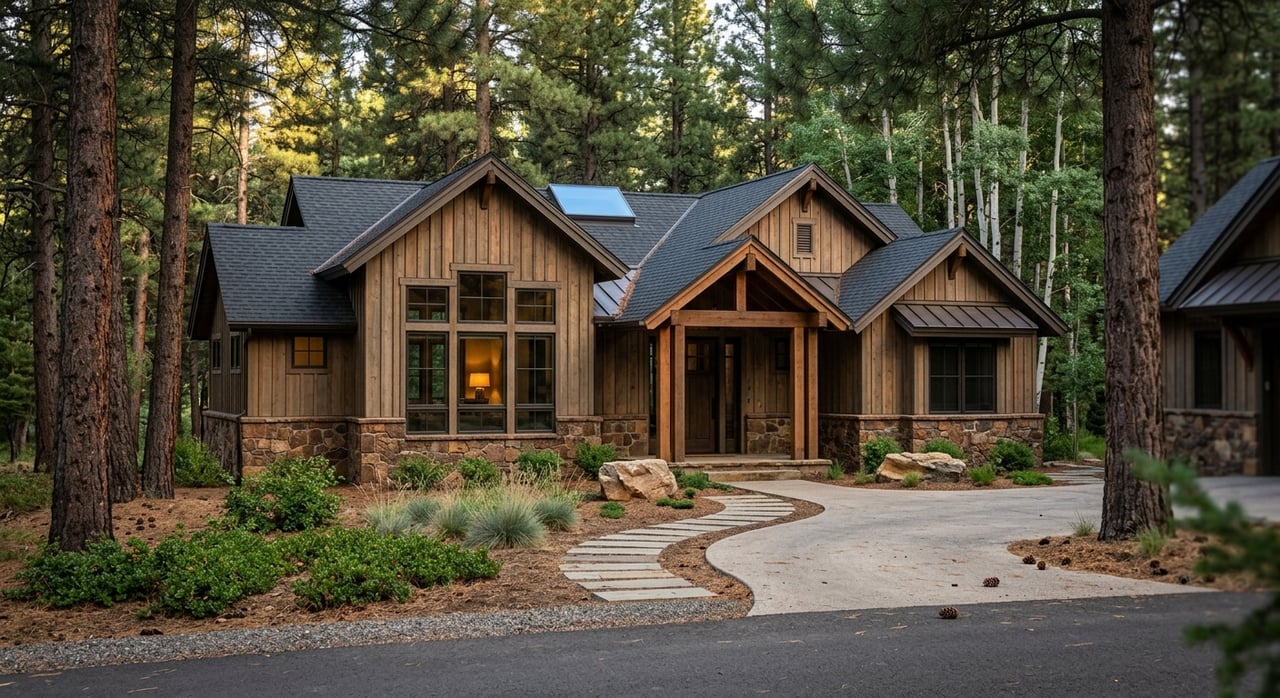
If you want mountain living near Durango, Durango West probably comes up fast. It offers a wooded setting, neighborhood trails, and a close-to-town location that appeals to many buyers, but it also comes with real tradeoffs that can affect day-to-day life. If you are weighing whether Durango West is the right fit, this guide will walk you through the biggest pros, the most important cons, and how it compares with other nearby areas. Let’s dive in.
What Durango West Actually Is
Durango West is not just one subdivision. It is best understood as two adjacent communities: Durango West One (DW1) and Durango West Two (DW2), both located about 8 miles west of Durango near US 160.
According to the community wildfire protection plan for DW1 and DW2, DW1 sits on the south side of US 160 and was originally platted in 1970, while DW2 sits on the north side and began in 1977. DW1 has 256 homes on about 55 acres, and DW2 includes 357 homes plus 25 condominium units on about 260 acres.
Both subdivisions sit higher than Durango itself. DW1 has a mean elevation of about 7,500 feet, and DW2 averages about 7,450 feet, which places them roughly 900 to 1,000 feet above Durango.
Why Buyers Like Durango West
Wooded setting near town
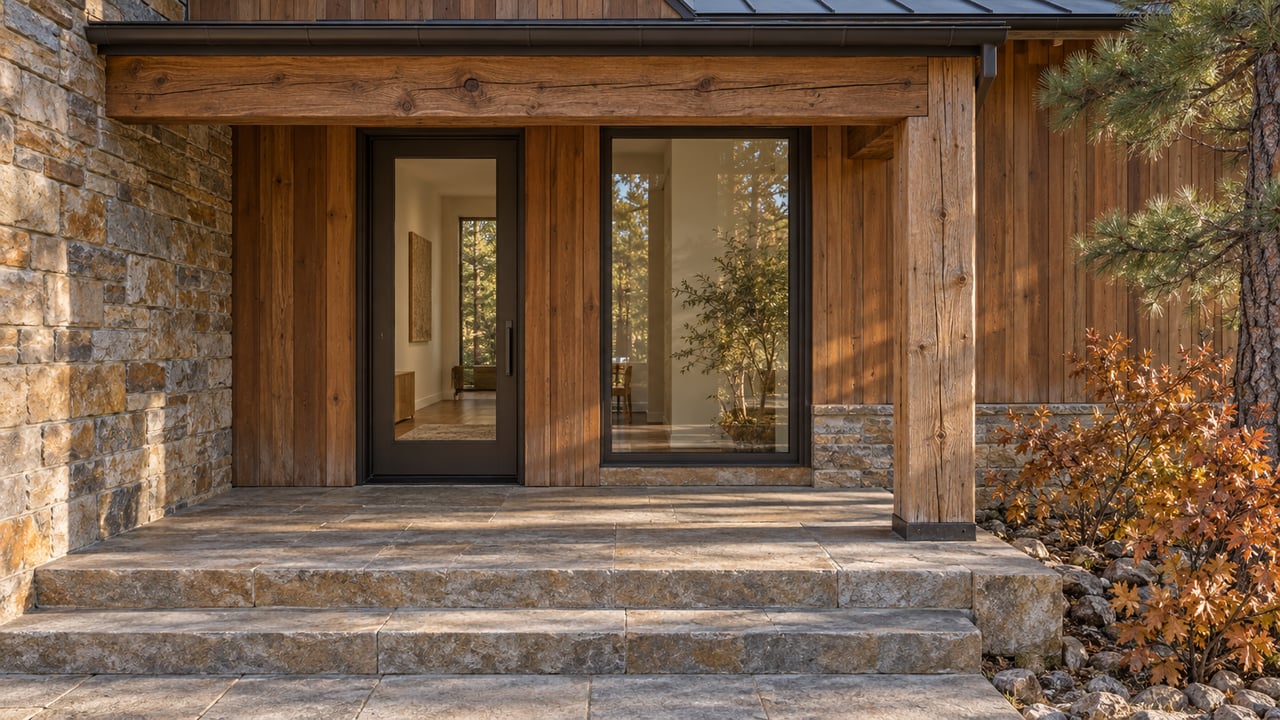
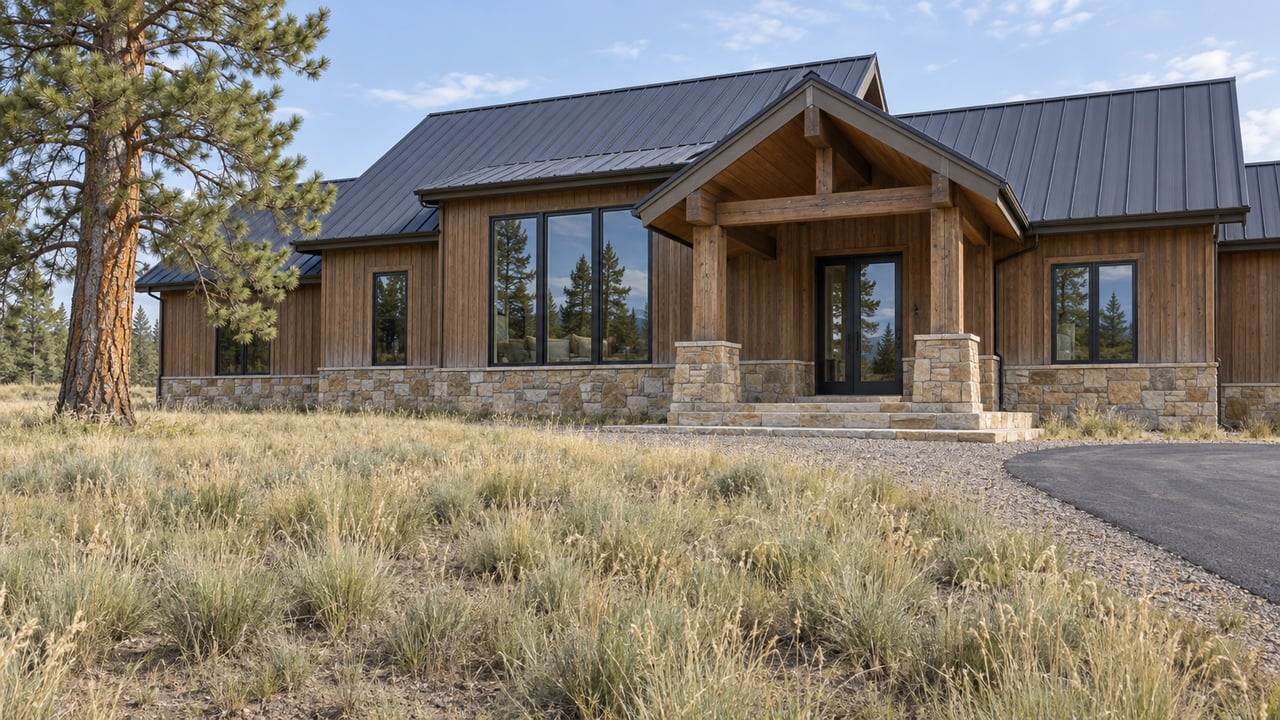
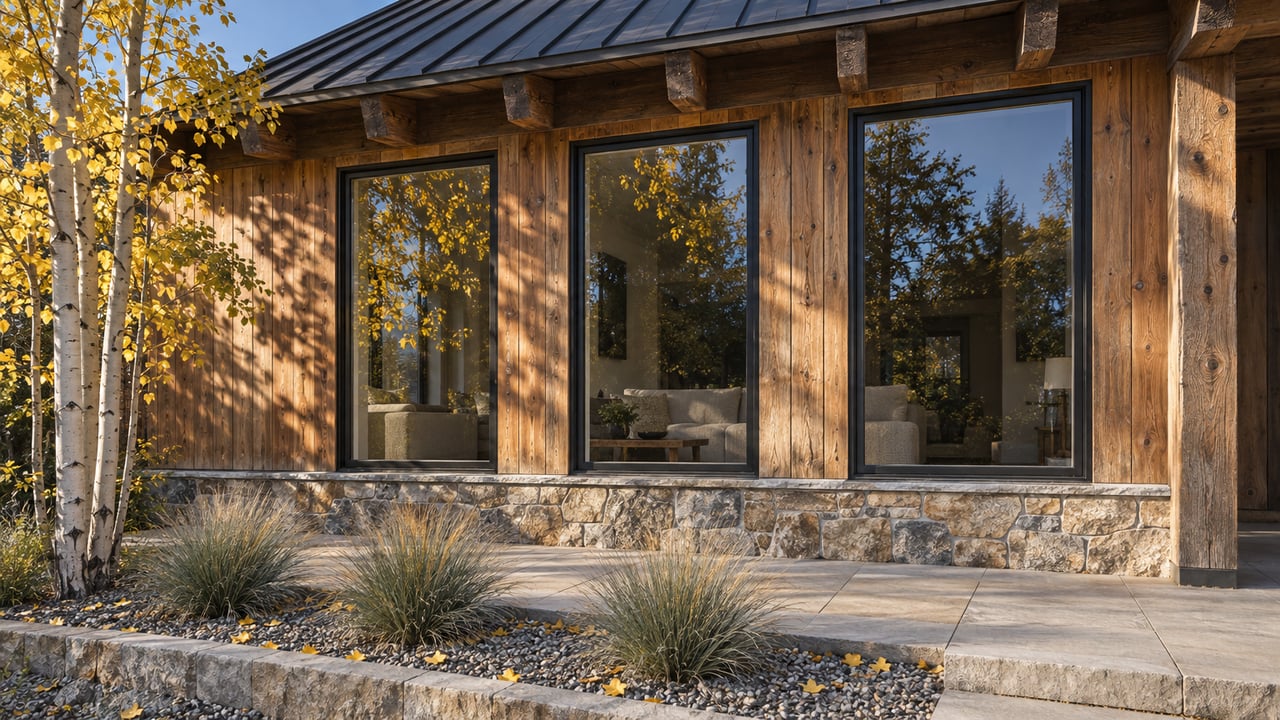
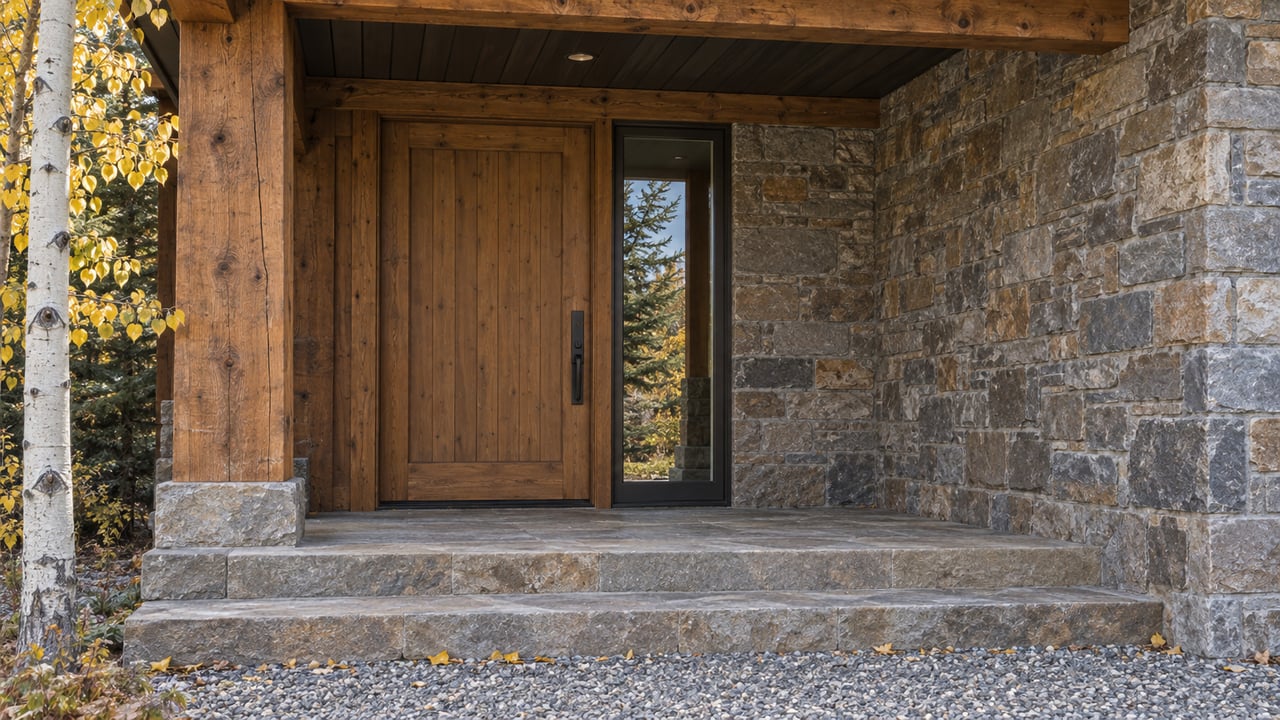
One of the biggest draws is the setting. Both subdivisions are described as forested communities with ponderosa pine and gambel oak, giving the area a mountain-subdivision feel that stands apart from more in-town neighborhoods.
At the same time, you are still close to Durango. DW2 describes itself as roughly a 7-mile, 10-minute drive west of downtown, which makes it appealing if you want more trees and breathing room without being too far from everyday services and recreation.
Trails and open space
Durango West offers more built-in neighborhood recreation than many buyers expect. DW2 highlights about 5 to 6 miles of trails, along with open space, two ponds, a playground, basketball court, and tennis courts on its open space page.
That trail network supports year-round use. The district notes that residents use the trails for walking, running, biking, snowshoeing, and cross-country skiing, which adds a lot of value if you want outdoor access right outside your door.
Quieter internal layout
DW2 notes that the subdivision includes eight cul-de-sacs, and the overall street pattern is largely residential rather than busy through-traffic. That layout, combined with internal trails and recreation areas, contributes to a quieter neighborhood rhythm than you may find in more urban parts of Durango.
Published district materials also describe DW2 as child-friendly and note that winter road priorities help keep school bus routes clear. Those details matter if you are looking for a mountain neighborhood with a strong residential feel.
Value compared with some in-town options
Durango West has long been framed as a more value-oriented option near Durango. In the wildfire protection plans, DW1 is described as a relatively lower-cost subdivision close to Durango, while DW2 is described as a moderate-cost subdivision close to town.
That does not mean every home is inexpensive, and buyers should always check current market conditions. Still, the historical positioning supports the idea that Durango West can offer a different value equation than some in-town neighborhoods.
The Tradeoffs to Know Before You Buy
Winter driving is part of life
The higher elevation shapes daily living. La Plata County climate information notes that the Durango-La Plata Airport averages 19.7 inches of precipitation annually, while the DW2 wildfire protection plan says the subdivision area gets about 18 inches per year, with most of it falling as snow from October through April.
In practical terms, that means winter conditions are not occasional. They are a regular part of the lifestyle, and road conditions, snow storage, and vehicle readiness matter.
Single access is a real concern
One of the biggest issues for some buyers is access. Both DW1 and DW2 rely on single access points from Highway 160, according to the CWPP source document.
The same report notes that DW1’s alternate route is a dirt two-track without legal emergency-exit status, while DW2’s alternate access from Aspen Drive is blocked by a locked steel gate. That may not be a dealbreaker for you, but it is an important part of evaluating convenience and emergency planning.
Snow removal has priorities
Snow removal in DW2 is structured around priorities, not equal timing for every road. The district explains on its community information page and related policies that main roads are plowed first, especially to support school bus routes, while secondary roads and cul-de-sacs come later.
That system makes sense operationally, but it also means your experience can vary depending on where the home sits in the subdivision. If winter access is a major factor for you, this is worth understanding before you buy.
Limited sidewalk walkability
If your ideal neighborhood includes sidewalks and easy pedestrian circulation on paved walking routes, Durango West may feel limited. A DW2 district newsletter states that the subdivision does not have sidewalks, and winter parking restrictions can further shape how people move through the neighborhood.
You can still walk, bike, or use the trail system, but the experience is different from a more traditional in-town neighborhood. For many residents that is part of the appeal, but it is still a tradeoff.
Wildfire risk requires attention
Wildfire is one of the most important issues to understand in Durango West. The CWPP states that DW1 is in a high-risk area for structural loss and explains that wildfire can move into or through the subdivision because of the close relationship between homes and surrounding fuels.
DW2 also faces wildfire risk from fires that may move into the area or start within the subdivision. The district notes in its FAQ page that residents are responsible for their own mitigation, even though major mitigation work has been completed on greenbelts.
Fees and utilities are different than some buyers expect
Another common surprise is the fee structure. DW2 is a metropolitan district rather than a standard HOA, and its fees help fund water, sewer, roads, and open space.
The district’s FAQ also explains that water comes from a mix of Lake Durango Water Authority surface water and four wells. It notes that the water can be hard and that taste or smell may vary depending on the source mix, which is useful to know if utility details matter to you.
What Types of Homes Are in Durango West?
Most homes in both subdivisions are single-family residences. The CWPP notes that DW1 includes mostly single-family homes, with older mobile and modular homes gradually being replaced by stick-built homes.
DW2 is also primarily single-family, with 25 condominium units in one part of the subdivision. Because these are mature neighborhoods rather than new developments, buyers should pay attention to age, updates, lot use, and long-term maintenance when comparing homes.
How Durango West Compares to Other Areas
Downtown Durango
If convenience is your top priority, downtown Durango offers a different experience. The city’s trails and recreation resources show that the nearly 7-mile Animas River Trail connects downtown with neighborhoods, parks, schools, and the Durango Community Recreation Center.
The city also offers amenities like Chapman Hill and the recreation center, which includes pools, a climbing wall, indoor track, and more. Compared with Durango West, downtown generally offers easier access to amenities, but not the same wooded subdivision character.
Animas Valley
Animas Valley is often a better comparison if you want a more rural or land-oriented setting. A regional planning document from the Town of Bayfield notes that Animas Water Company serves mostly rural homes in the Animas Valley, and it references a mix of housing types in areas such as Dalton Ranch.
That makes Animas Valley feel different from Durango West. It is still close to Durango, but often with a more rural, estate-style pattern rather than a compact mountain-subdivision layout.
Bayfield
Bayfield offers another alternative, especially if you are comfortable being farther from Durango. The Town of Bayfield says on its community overview page that it is about 20 miles east of Durango and sits at roughly 6,900 feet.
Compared with Durango West, Bayfield can feel more like a self-contained small town. Durango West, by contrast, is more closely tied to Durango for daily commuting, services, and recreation.
Who Durango West Fits Best
Durango West tends to fit buyers who want a wooded, community-oriented mountain setting close to town and who are comfortable with the practical realities that come with it. Those realities include winter driving, wildfire mitigation, limited sidewalk infrastructure, and fee structures tied to district services.
If you want a neighborhood that blends mountain character with a short drive to Durango, it can be a strong option. If you want maximum convenience, flatter walkability, or a simpler access setup, another area may be a better fit.
The key is not whether Durango West is good or bad. The key is whether its mix of lifestyle benefits and logistical tradeoffs matches the way you want to live.
If you are thinking about buying or selling in Durango West or comparing it with other Durango-area neighborhoods, Zach Morse can help you sort through the details and make a more confident move.
FAQs
Is Durango West close to downtown Durango?
- Yes. DW2 describes the area as roughly a 7-mile, 10-minute drive west of downtown Durango, and both subdivisions are about 8 miles west of the city limits.
Does Durango West have trails and recreation features?
- Yes. DW2 reports about 5 to 6 miles of recreation trails, plus open space, a playground, basketball court, tennis courts, and two ponds.
Are there wildfire concerns in Durango West?
- Yes. The community wildfire protection plans for both DW1 and DW2 identify wildfire as a significant consideration, and residents are responsible for mitigation on their own properties.
Is Durango West walkable for daily errands?
- Not in the same way as downtown Durango. DW2 notes that the subdivision does not have sidewalks, so most day-to-day movement still depends on driving or using neighborhood roads and trails.
What kind of governing structure does Durango West Two use?
- DW2 is a metropolitan district, not a standard HOA, and its fees help fund water, sewer, roads, and open space.
What kinds of homes can you find in Durango West?
- Most homes are single-family residences. DW1 also includes older mobile and modular homes being replaced over time, and DW2 includes 25 condominium units in one section.