Are you weighing a sale of your Pagosa Springs luxury home or ranch in the next 6 to 24 months? In a second‑home market like Pagosa, timing, presentation, and due diligence can change your outcome in a big way. You want a smooth sale that protects your time and maximizes your net. This guide gives you clear, practical steps tailored to Pagosa Springs and Archuleta County so you can plan with confidence. Let’s dive in.
Define “luxury” in Pagosa
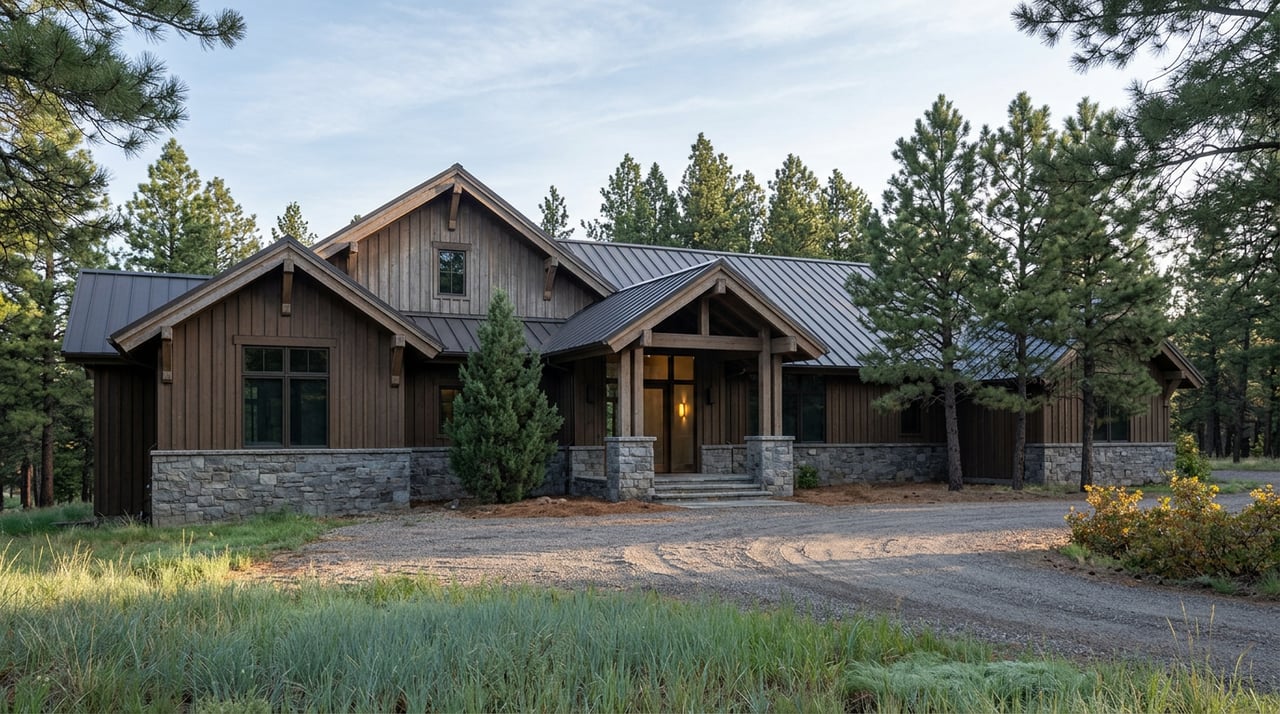
In Pagosa Springs, luxury is relative to the local market, not a single statewide number. A practical way to define it is the top 10 percent of recent sales or by setting a price floor that reflects current local medians. You can also define luxury by property type, such as mountain homes with views and high‑end finishes, larger ranches with water rights, and upscale condos or townhomes.
Luxury segments behave differently than entry‑level homes. They have fewer transactions, wider price ranges, and a larger share of cash buyers. That means pricing strategy, marketing reach, and negotiation tactics matter more.
Inventory and seasonality
Luxury inventory in Pagosa Springs is small, so a handful of listings can change months of supply and days on market quickly. Rely on local MLS and PAAR reporting for current counts of actives, pendings, closings, and months of supply. These are the numbers that should inform your go‑to‑market plan.
Seasonality is real here. Buyer interest usually peaks from late spring through early fall when outdoor access is at its best. There is often a secondary bump around ski season. If your property shines in summer or offers standout ski access, plan your launch to capture those windows.
Who your buyer is
Most high‑end buyers come from a few key pools:
- Colorado Front Range buyers who want a mountain retreat within a day’s drive.
- Out‑of‑state buyers from Texas, Arizona, California, and the Mountain West seeking vacation use, rental income, or future relocation.
- Ranch buyers with agricultural or recreational goals.
Many pay cash or use jumbo financing with larger down payments and higher reserve requirements. If rental income is part of your story, expect lenders and appraisers to review rent schedules and occupancy history closely. Short‑term rental rules and HOA policies can influence demand for income‑minded buyers, so clarity helps your value.
Pricing strategy for the next 6–24 months
Start with recent local comparables that truly match your property’s attributes. For a mountain home, weight views, finishes, access, and turnkey condition. For a ranch, adjust for water rights, irrigation, fencing, stock water, and any conservation easements.
- If inventory is tightening and luxury listings are moving faster, you can price at or slightly above well‑matched comps and allow for modest negotiation.
- In a balanced or softening environment, price at or slightly below comps to stimulate early interest and reduce days on market. This can protect your net by limiting price cuts later.
- Expect longer timelines than lower‑priced homes and use flexibility to capture the right buyer, not just the first offer.
- Consider creative terms, such as seller carryback, if demand cools, and review tax and risk implications with your advisor.
What drives value in Pagosa
Pagosa luxury buyers pay for lifestyle, certainty, and quality. The items below can move value noticeably:
- Views, privacy, and year‑round access with snow removal.
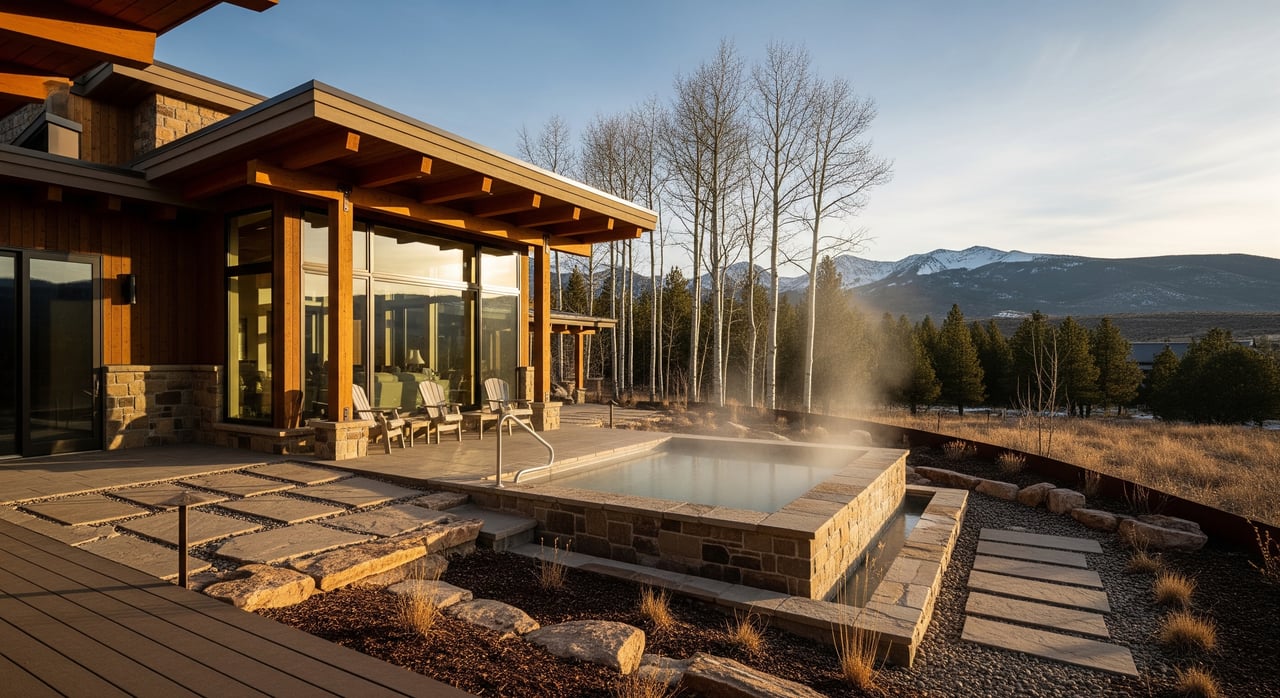
- Proximity to the hot springs, river, or ski access and shuttle routes.
- High‑end finishes, guest spaces, and adequate parking for multi‑generational or hosted stays.
- Energy and wildfire‑mitigating improvements that lower risk and ownership cost.
- Clear documentation of utilities, including well yield, septic capacity, and broadband.
For ranches, documented water rights and functional irrigation infrastructure are top value drivers. Conservation easements, if present, must be fully disclosed and understood since they impact use and marketability.
Timing your listing
For most mountain homes, the prime window is late spring through early fall. Landscapes look their best, access is easy, and buyers are in town. If ski proximity is a marquee feature, a pre‑winter launch can work well. For ranches, late spring and summer show off water conditions, pastures, and access.
If you plan to sell within 6 to 24 months, use the off‑season to complete inspections, organize records, and finish any high‑impact improvements. A clean file can shorten negotiations and reduce requests for concessions.
Tackle due diligence early
Buyers of high‑end properties expect clarity. When you resolve key items before listing, you reduce friction and build confidence.
- Title, access, and easements. Confirm road access agreements and maintenance obligations. Disclose any recorded easements, covenants, or deed restrictions. Clarify mineral rights and what will convey.
- Water rights and wells. Assemble well permits, logs, and recent flow tests. If you have surface water or irrigation, include adjudication details and records. Ambiguity can hurt value for ranch buyers.
- Septic and utilities. Order a pre‑listing septic inspection and address issues. Document propane access, electrical capacity, and broadband availability for remote work buyers.
- Short‑term rentals and lodging tax. Provide proof of compliance with local rules and any HOA rental policies. If you have rental history, organize P&L, occupancy records, and tax filings.
- Wildfire and insurance. Disclose wildfire risk, any defensible‑space work, and fuel reduction measures. Insurance availability and cost influence buyer comfort and lender approval.
- Taxes and strategy. Consult your tax advisor about capital gains, 1031 exchanges if applicable, and depreciation recapture on rental properties, especially if you live out of state.
Marketing that reaches real buyers
Luxury buyers choose with their eyes first, then with facts. Invest in a professional presentation that makes your property easy to understand and love.
- Visual assets. Commission high‑quality photography, drone imagery, floor plans, and a property film that highlights lifestyle touchpoints like hot springs, river access, ski days, and trail networks.
- Distribution. Use the local MLS, regional broker networks that reach the Front Range, and national luxury platforms to put your home in front of affluent, out‑of‑market buyers.
- Documentation. Create a property book with well and septic reports, water rights documents, road maintenance details, utility information, and any rental history. This supports appraisal and gives buyers fewer reasons to pause.
Negotiation and deal flow
Plan for longer inspection and diligence periods, especially for rural and ranch properties. Financed buyers may face stricter appraisals when comps are scarce. Cash buyers can move quicker, but they still want clarity on water, access, and wildfire exposure.
Be ready to support your price with detailed comparables, a record of capital improvements, and organized utility or income documentation. The fewer unknowns you leave, the less leverage a buyer has to request price concessions.
Pre‑listing checklist
Use this rundown to keep your timeline on track:
- Request a luxury‑bracket pricing opinion with current MLS and PAAR data.
- Order septic inspection and well flow test, then address any repair items.
- Compile title documents, easements, covenants, HOA rules, and any conservation easements.
- Assemble rental history, occupancy records, and tax returns if applicable.
- Schedule a pre‑listing home inspection for the main home and outbuildings.
- Complete obvious deferred maintenance and targeted upgrades that improve photos and showings.
- Invest in professional photography, drone, video, and floor plans.
- Build a property book that documents lifestyle features and operations.
- Consult legal and tax advisors about transfer costs and strategy.
How we help second‑home sellers
You want a process that is polished and predictable. With a boutique team and premium marketing assets in‑house, you get continuity from pricing through closing. You also benefit from international syndication through a top luxury brand, which helps reach qualified buyers outside our region. That mix of local mastery and global reach is a proven way to surface the right buyer for a unique property.
You can expect a data‑backed valuation, a tailored go‑to‑market plan, and polished visuals that tell the full lifestyle story. You also get proactive guidance on title, water, septic, STR rules, and wildfire considerations so you can negotiate from a position of strength.
If you are thinking about selling in the next 6 to 24 months, a quiet, early planning conversation can help you time the market, refine the scope of pre‑listing work, and protect your net price. Reach out for a confidential strategy session and pricing opinion when you are ready.
Zach Morse is ready to help you plan, prepare, and execute a top‑tier sale.
FAQs
Is now a good time to sell a luxury home in Pagosa Springs?
- It depends on current luxury inventory, days on market, and months of supply, so request a local CMA that compares today’s numbers with 12 to 24‑month trends before choosing your timing.
How long do Pagosa Springs luxury listings usually take to sell?
- Luxury and ranch properties typically take longer than entry‑level homes, with faster results during late spring to early fall and shorter timelines for cash buyers and well‑prepared listings.
How should I price a ranch or acreage property in Archuleta County?
- Start with ranch‑specific comps and adjust for water rights, irrigation, access, outbuildings, and conservation easements, then price to stimulate early interest based on current inventory.
What adds the most value to a high‑end second‑home in Pagosa Springs?
- Strong views and privacy, proximity to hot springs or ski access, documented utilities, quality finishes, and wildfire‑mitigating improvements create the most buyer confidence and value.
How do short‑term rental rules affect my luxury sale?
- STR capability, lodging taxes, and HOA rental policies can expand or limit your buyer pool, so document permits, compliance, and any rental history to support value and underwriting.
Will appraisal be an issue for a unique Pagosa property?
- Unique properties can challenge appraisers due to few like‑kind comps, so provide a thorough property book with improvements, utility records, and rental data to support the valuation.