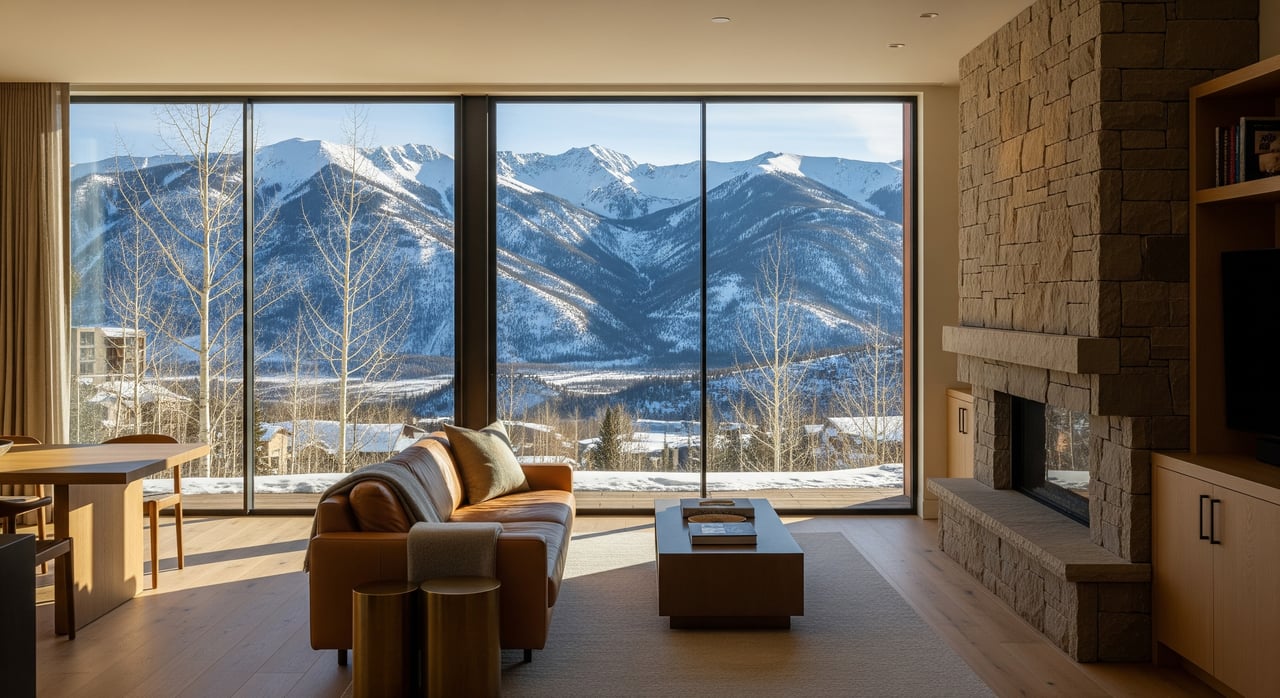
Are you choosing between lift-side energy and private-club calm for your Durango condo? You want a place that fits how you live, rents well when you are away, and holds up under winter snow and summer crowds. In this guide, you will compare the ownership experience around Purgatory Resort with condos in the Glacier/Tamarron area, so you can match amenities, HOA rules, rental options, and true ski access to your goals. Let’s dive in.
Purgatory vs Glacier overview
Purgatory-area condos center you near the resort village, lifts, and on-mountain events. Expect easy access to restaurants, ski school, and public plazas. This works well if you value walkability and rental demand tied to visible resort activity.
Glacier/Tamarron-area condos are typically positioned as private, club-style environments. You often see more controlled access, higher-touch services, and a quieter setting. This can fit if you want upscale amenities and a calmer owner experience.
Both areas fall within the 81301 market that serves Durango’s four-season lifestyle. Your choice comes down to convenience, privacy, and the balance of cost, services, and rental flexibility.
HOA structure and governance
Purgatory-area buildings often participate in a master association that handles roads, shared amenities, and village elements, with sub-HOAs for each building. This can mean broad services but more complex decision-making across many owners.
Glacier/Tamarron communities can range from single HOAs to layered setups. Higher service levels usually bring higher dues and more staff oversight. You will want to understand who maintains what and how owner feedback is acted on.
Request and review these documents before you commit:
- CC&Rs, bylaws, and Rules & Regulations
- Current budget, 12–24 months of financials, and a reserve study
- Meeting minutes for the past 12–24 months
- Insurance certificate showing master policy versus owner interior coverage
- Any statements on delinquencies, special assessments, and rental restrictions
Tip: Ask your lender about association warrantability early. Some resort associations do not meet conventional, FHA, or VA requirements.
Amenities and lifestyle
Purgatory village-style buildings often include ski lockers, boot rooms, hot tubs, and immediate access to dining and events. You will feel the buzz, especially on weekends and holidays. This visibility also supports short-term rental demand.
Glacier/Tamarron-style properties commonly emphasize privacy and owner services. Examples can include controlled access, fitness and spa facilities, club lounges, and enhanced on-site staff. The experience is quieter and more curated.
What that means for you:
- Convenience vs privacy: Village energy vs club calm
- Staffing and services: More staff often equals higher dues
- Resale appeal: Lift proximity can boost rental interest; club cachet can attract buyers who value exclusivity
Rental programs and rules
You will see several rental models across both areas:
- Mandatory rental pools with set revenue splits
- Voluntary programs you can opt into
- Owner-managed short-term rentals
- Third-party professional managers with booking and housekeeping fees
Management fees for full-service programs commonly fall in the 20–40% range of gross revenue. Housekeeping, linens, and marketing fees may be extra. Always request historical occupancy, average daily rate, and owner payout history to set realistic expectations.
Confirm local requirements for licensing, occupancy limits, and taxes. HOA rules may set minimum stay lengths or prohibit short-term rentals in certain buildings. Match the rules to how you plan to use the property.
Costs and recurring fees
Budget for these items and verify them in writing for each specific building:
- HOA dues and reserve contributions
- Property taxes via county records
- Insurance: master policy vs your HO-6 interior coverage
- Utilities and common-area allocations
- Parking, ski lockers, and storage fees
- Transfer fees or rental program onboarding fees
High-amenity, staff-heavy communities typically carry higher dues. Lower-amenity buildings may cost less to carry, but verify reserve funding so you can anticipate future special assessments.
Ski access and winter realities
“Ski-in/ski-out” can mean different things. Verify the exact path from door to lift:
- True ski-in/ski-out: direct, legal trails to lift lines, maintained in season
- Ski-adjacent: short walk with skis, possibly across a road or plaza
- Shuttle or short drive: common in many buildings away from the base
Confirm distance in feet, whether the path is plowed or groomed, and where you will store gear. Ask about winter road maintenance, 4WD needs, and storm closures. Small details here change daily usability.
Match to your lifestyle
Use these profiles to narrow your focus:
- Daily skier: Prioritize closest lift access, ski lockers, and proven snow removal
- Village social: Choose walkable dining and events, even if not true ski-in
- Privacy seeker: Favor club-style communities with limited public traffic
- Income-focused investor: Seek buildings with rental-friendly rules and documented performance
- Full-time resident: Look for year-round comfort, efficient utilities, and sustainable dues
Tradeoffs to keep in mind:
- Convenience vs cost: Lift-front or high-service buildings usually have higher purchase prices and dues
- Income vs privacy: Strong STR traffic can boost revenue but reduces quiet and personal use flexibility
- Dues vs return: High dues can erode net yield; measure results after all fees and taxes
Due diligence checklist
Gather these items to protect your investment:
- HOA resale package: CC&Rs, bylaws, budget, reserve study, minutes, insurance certificate
- Rental contracts: Fee schedules, owner blackout dates, cancellation terms
- Building and unit maintenance records, recent inspections
- Legal description, deed, and parking or locker assignments
- Proof of lodging tax registration if you plan to rent
Ask direct questions:
- Are short-term rentals allowed, and are they mandatory or optional?
- What portion of units are rentals vs owner-occupied?
- Any planned capital projects or special assessments?
- What services are included in dues and which are billed separately?
- How exactly do you reach the lift in winter, and who maintains the route?
- Is the association warrantable for your preferred loan type?
Work with a local advisor
Choosing between Purgatory convenience and Glacier/Tamarron privacy comes down to how you will use the home and what you expect from ownership. If you line up HOA rules, amenity levels, rental pathways, and true slope access with your goals, you will make a confident decision in 81301.
If you want a clear, data-backed path to the right condo, connect with Zach Morse. You will get local market mastery, white-glove guidance, and a refined process from search to closing.
FAQs
Is Purgatory ski-in/ski-out for most condos?
- It varies by building, from true ski-in/ski-out to short walks or shuttle access; verify exact distance, path maintenance, and storage in HOA documents.
Are short-term rentals allowed at Glacier/Tamarron?
- Rules differ by association and building; review CC&Rs and minutes for current restrictions, minimum stays, and whether programs are mandatory or optional.
What do HOA dues usually cover in these areas?
- Common items include exterior maintenance, shared utilities, snow removal, master insurance, landscaping, and amenity operations; confirm the line items in the current budget.
How do special assessments typically arise in resort condos?
- They often fund capital projects like roofing, siding, elevators, or amenity upgrades; check reserve studies and minutes for planned work and timing.
Are resort condos in 81301 easy to finance?
- Some are not warrantable due to reserves, delinquencies, or commercial mix; consult your lender early with the HOA’s documents to confirm options.
What winter driving should owners expect near the resorts?
- Mountain roads are usually plowed, but storms can require 4WD and patience; confirm road maintenance responsibilities and typical closure patterns with the HOA.