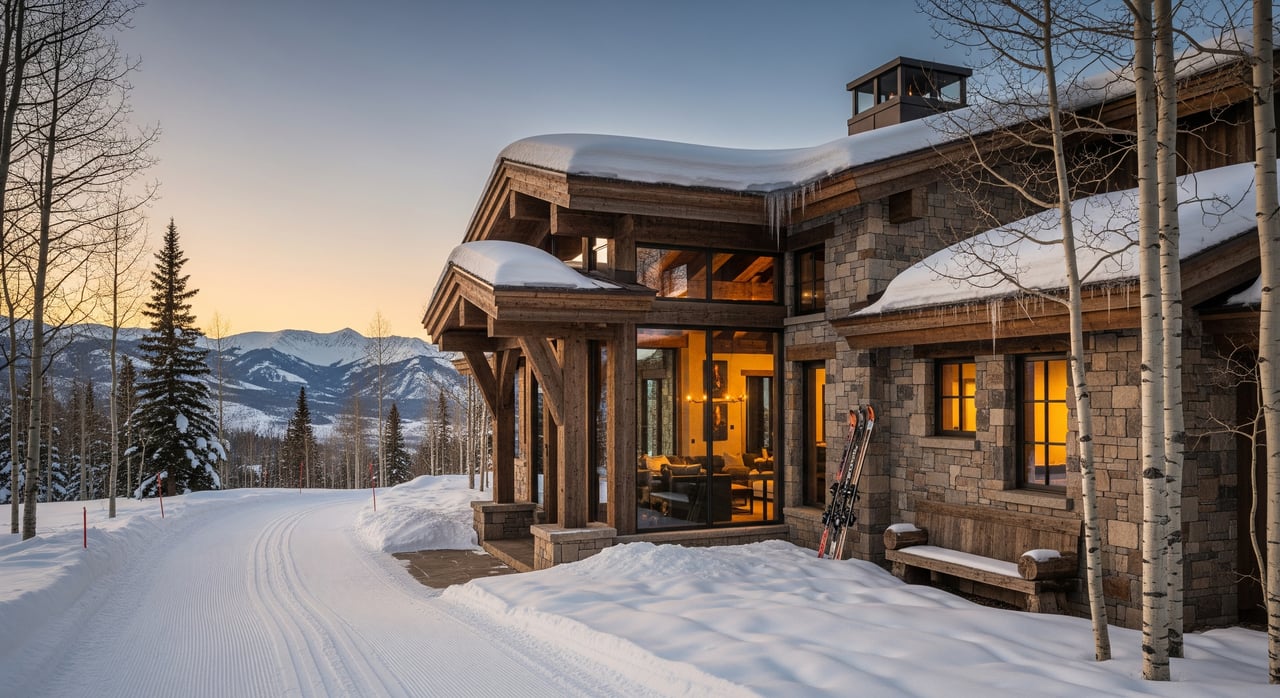
Dreaming of clicking into your skis at the door and gliding to the lift? If you are eyeing Purgatory Resort near Durango for a second home or investment, you want the slope-side lifestyle to match the price tag. You also want clarity on access, ownership types, HOA rules, and real costs. This guide gives you a clear picture of what “ski-in/ski-out” means at Purgatory, the options you will see, and the due diligence that protects your time and capital. Let’s dive in.
What ski-in/ski-out means
“Ski-in/ski-out” is a marketing term, and the reality can vary by building and even by unit. At Purgatory, it generally means you can reach the slopes without driving. Confirm the exact access for each property before you fall in love.
Here are the common levels of access you will encounter:
- True slope-front. A private or communal trail or snow slope sits immediately next to the building, and a lift is only a few steps away.
- Village edge. You can walk a short, groomed path or a gentle downhill route to the lifts and base area.
- Close-by with shuttle or crossing. You will cross a road or rely on a resort shuttle. Listings still market this as “ski access,” but it is not direct.
Walk the route if you can, or have a trusted local confirm distance, grade, and winter grooming. A few extra minutes in ski boots can make a big lifestyle difference.
Purgatory access and context
Purgatory Resort is the primary ski destination for Durango and La Plata County. Most ski-in/ski-out properties cluster around the base area and village. Your real-world ease of use depends on the resort’s operating calendar, lift schedules, grooming, and any on-site shuttle service.
If you plan to split time between town and the mountain, expect roughly a 30 to 45 minute drive from Durango to the base in typical conditions. Winter storms can extend travel times, so plan accordingly.
Condo vs townhome options
You will see a mix of ownership structures around Purgatory. Each comes with tradeoffs in price, control, amenities, and rental potential.
Full-ownership condos
These are individually deeded units with standard owner rights and HOA voting. They are common for second homes and long-term rental owners. You typically get professional management of building exteriors and common areas, which makes them attractive for lock-and-leave use.
Townhomes and duplexes
Townhomes usually offer more space, private entries, and often a garage. They can be better for longer stays and gear-heavy families. Exterior maintenance responsibilities vary by association, so verify what the HOA covers versus what you handle.
Fractional or co-ownership
These provide scheduled usage rights instead of full-time ownership. They can lower your entry cost, but you must confirm occupancy rules, booking priorities, and resale or transfer details.
Condo hotel units
Hotel-operated condo units plug into an on-site rental desk with marketing reach and guest services. You may see higher management fees and stricter owner-use rules. Review the management agreement closely to understand usage, costs, and revenue reporting.
What to compare between buildings
Not all “near the lift” claims are equal. Use a map, a site plan, and a practical walk test if possible. In winter, grade and grooming matter.
Compare the following for each shortlist:
- Lift and trail proximity. Distance to the nearest lift, routes that are groomed for walking, and whether you must cross roads.
- Unit layout and storage. Look for ski lockers, boot storage or dryers, mudrooms, and whether parking is covered or assigned.
- Elevator versus stairs. Stairs feel different when you are in ski boots and carrying gear. Elevators can be a major quality-of-life upgrade.
- Noise, views, and sun exposure. Village energy is fun, but it can be loud. Check slope-facing noise and snowcat operations.
- Age and construction type. Insulation, windows, and roof design affect comfort and utility costs. Snow-shedding and ice management are important in mountain buildings.
HOAs and fees
Many resort properties have layered associations. It is common to have a master association for roads, utilities, and village operations, plus a building-level HOA for your specific structure. Request all association documents for every property you are considering.
Key items to verify:
- What dues cover. Exterior maintenance, roof, snow removal of common areas, trash, water and sewer if communal, common utilities, insurance on the building, reserve contributions, management, and amenities. Coverage varies, so read line items carefully.
- Reserves and special assessments. Ask for the most recent reserve study and meeting minutes. Older buildings or underfunded reserves can lead to special assessments.
- Insurance scope. Master policies can be “walls-in” or “bare walls.” You will likely need an HO-6 policy for interior finishes, personal property, and liability. Review exclusions like flood or sewer backup.
Rental programs to compare
You can often choose between an on-site resort rental program or an independent manager. On-site desks bring marketing power and guest services, but commissions are usually higher and owner-use windows can be more limited. Independent managers may offer different revenue splits and more control.
Evaluate program terms like:
- Commission structure and fees. Understand the owner split and whether numbers are gross or net of fees.
- Owner usage and blackouts. Clarify minimum stays, black-out dates, and how far ahead you can reserve owner time.
- Marketing channels and policies. Ask how bookings are sourced, how cancellations work, and when owner proceeds are paid.
Also confirm local rules for short-term rentals. La Plata County and nearby municipalities may require permits or registration and lodging tax collection. Compliance affects revenue, insurance, and resale.
Carrying costs and taxes
Budget beyond your mortgage. Mountain properties have unique costs, especially in winter. Plan for:
- HOA dues. These vary widely. Small, self-managed buildings may be several hundred dollars per month. Full-service complexes with staff and amenities can exceed one thousand per month.
- Property taxes. La Plata County mill levies vary by parcel. Review the most recent tax bill for any property you are considering.
- Insurance. You will likely need an HO-6 policy and possibly riders for items not covered by the master policy.
- Utilities and fuel. Heating can be gas, propane, or electric. Winter use drives costs. Clarify what is individually metered versus included in HOA dues.
- Snow and winter maintenance. In some townhome setups, owners handle garage aprons, driveways, or private walks.
- Reserves and potential assessments. Factor contributions and any planned projects.
- Taxes on rental income. Track income and expenses, and plan for lodging tax collection if you rent. A tax advisor can help you classify personal use versus rental days and optimize deductions.
Financing for resort condos
Financing terms can differ for resort properties, especially condo hotels. Some lenders require project approval for certain loan products. Second-home and investment mortgages often need higher down payments and have distinct underwriting rules.
Before you write an offer, confirm lender appetite for the specific association and the loan options you can use. This avoids surprises in underwriting and appraisal.
Seasonal access and logistics
Roads to Purgatory are maintained year-round, but heavy winter weather can slow or temporarily disrupt travel. Plan for winter tires or 4WD, and monitor regional conditions.
On-site, confirm shuttle reliability, snow-clearing schedules for private roads and walkways, and how close covered parking is to your building. Loading zones, elevators, and heated storage can make arrival days far easier.
Inspections and documents
Ask for a full document set and plan inspections with mountain expertise in mind. Focus on winter performance, building envelope, and freeze protection.
Documents to request:
- HOA package. CC&Rs, bylaws, rules and regulations, recent meeting minutes, financials, current budget, reserve study, master insurance certificates, pet and rental policies, and any litigation disclosures.
- Rental files. Management agreement, historical rental revenue for at least one to two seasons, occupancy, and owner remittance history.
- Assessment and capital plans. Any recent or pending special assessments and planned projects.
Inspection focus:
- Structure and envelope. Roof, balconies and decks for snow load and waterproofing, siding, and foundation.
- Mechanical systems. Type and condition of heating, hot water, plumbing insulation for freeze risk, and ventilation.
- Safety. Carbon monoxide detectors, fireplace or chimney inspections, and any sprinkler or fire suppression systems in common areas.
- Utilities and metering. What is individually metered versus master billed. Ask for typical seasonal costs.
- Parking and storage. Assigned stalls, garage access, ski lockers, and any heated storage.
Title and legal checks:
- Access rights. Confirm legal access in winter, including easements and access roads.
- Restrictions. Look for rental rules, rights of first refusal, or transfer fees in the HOA.
- Tax classification. Understand how the county classifies your unit and whether lodging taxes apply to rentals.
Questions to ask:
- How is snow removal handled for private entries, garages, and assigned parking?
- What does the master insurance cover, and what must your HO-6 policy handle?
- Are there owner blackout dates, and how many owner weeks are guaranteed or typical?
- What are recent occupancy and average daily rate trends for comparable units?
- Are any special assessments planned within the next one to five years?
- What are the communication and emergency protocols during winter storms?
Resale and lifestyle fit
Units with strong amenities, close lift access, elevators, heated storage or parking, and flexible rental policies often draw broader buyer demand. That can help with resale, although higher HOA dues can reduce net rental returns.
Think about your primary goal. If you want lock-and-leave ease, a full-service complex may fit despite higher dues. If you prefer privacy and control, a townhome or low-density building may be better, even if the buyer pool is smaller.
Smart buyer checklist
Use this shortlist to stay focused:
- Confirm the exact nature of ski access, and test the route.
- Review all HOA documents, budgets, reserve study, minutes, and insurance.
- Compare rental program terms, fees, blackout dates, and historical performance.
- Budget for HOA dues, taxes, insurance, utilities, winter maintenance, and reserves.
- Verify parking, storage, elevator access, and snow-clearing responsibilities.
- Schedule inspections focused on heating, freeze risk, roofs, decks, and ventilation.
- Confirm short-term rental rules and lodging tax obligations.
- Check financing availability and loan options for the specific association.
Ready to find the right slope-side fit at Purgatory? For tailored guidance, market context, and a curated shortlist that matches how you plan to use the property, connect with Zach Morse.
FAQs
What does “ski-in/ski-out” really mean at Purgatory?
- It ranges from true slope-front with a lift steps away to village-edge paths or shuttle access, so confirm the exact route, distance, and winter grooming for each unit.
How do HOAs around Purgatory handle dues and coverage?
- Dues often cover exterior maintenance, snow removal of common areas, common utilities, master insurance, amenities, and reserves, but specifics vary by association.
Can I short-term rent my Purgatory condo or townhome?
- Many owners do, but you must confirm HOA rental rules, management program terms, and any county or municipal permit and lodging tax requirements before listing.
What carrying costs should I expect for a slope-side unit?
- Plan for HOA dues, property taxes, HO-6 insurance, utilities and heating, winter maintenance, reserve contributions, and potential special assessments.
Are condo hotel units harder to finance than standard condos?
- They can be, because some lenders have stricter criteria for resort or hotel-operated projects, so verify loan options for the specific building early.
What is winter access like between Durango and Purgatory?
- Roads are maintained year-round in normal conditions, but heavy storms can slow or temporarily disrupt travel, so 4WD and winter tires are advisable.