Which Durango home style fits your mountain life? If you are drawn to historic charm, clean modern lines, or Southwest texture, Downtown Durango offers a little of everything within a walkable setting. The key is knowing how each style performs in a four-season, high-elevation climate and what that means for comfort, maintenance, and long-term value. In this guide, you will learn how to spot the major styles around downtown, what materials to look for, and how to match your taste with the right property and plan. Let’s dive in.
Downtown Durango at a glance
Downtown Durango blends late 19th and early 20th century homes with smart infill and thoughtful remodels. At roughly 6,500 feet, the climate brings cold, snowy winters, strong sun, and freeze-thaw cycles. Those conditions shape rooflines, water management, and window performance.
If you plan exterior changes or restorations, verify whether your property falls within a local preservation overlay or design review area. Start with the City’s Planning and Historic Preservation resources to understand procedures and timing. You can learn more on the City website at durangogov.org.
Energy efficiency upgrades are common across styles, from storm windows on older homes to high-performance envelopes in new builds. For technical guidance on windows, insulation, and building envelopes, see the U.S. Department of Energy’s Energy Saver and the ENERGY STAR guidance on residential windows, doors, and skylights.
Style guide: what you will see
Craftsman
Craftsman bungalows and cottages are scattered around the older neighborhoods near downtown. They pair human-scale porches with honest materials and strong trim details.
- Visual cues
- Low to moderate roof pitches with wide eaves and exposed rafter tails
- Prominent front porches with tapered or square columns on stone or masonry piers
- Horizontal siding or shingle patterns and grouped windows with divided lites
- Materials you will often see
- Wood clapboard or shingles, fiber cement or engineered wood replacements, painted wood trim
- Stone or masonry porch bases and foundations
- Asphalt shingles or standing seam metal roofing on restorations
- What works here
- Wide eaves help shield walls from rain and snow
- Fiber cement or engineered wood can reduce maintenance while preserving the look
- Porch bases need careful detailing to avoid freeze-thaw damage near grade
Victorian
Victorian homes are less common as single-family residences downtown than in some mining-era towns, but you will see examples and commercial-era facades near Main Avenue. The appeal is ornate trim and complex rooflines.
- Visual cues
- Asymmetry, bay windows, steep or multiple rooflines
- Decorative trim like brackets, spindlework, and patterned shingles
- Materials you will often see
- Wood siding and millwork, sometimes replaced with composite or PVC trim for durability
- Multi-color paint schemes that highlight ornament
- What works here
- Complex roofs demand quality flashing and valley detailing to prevent leaks during snowmelt
- Preservation-friendly window upgrades may involve storm windows or specialist retrofits
- Replacement materials that match profiles can reduce maintenance while respecting character
Mountain contemporary
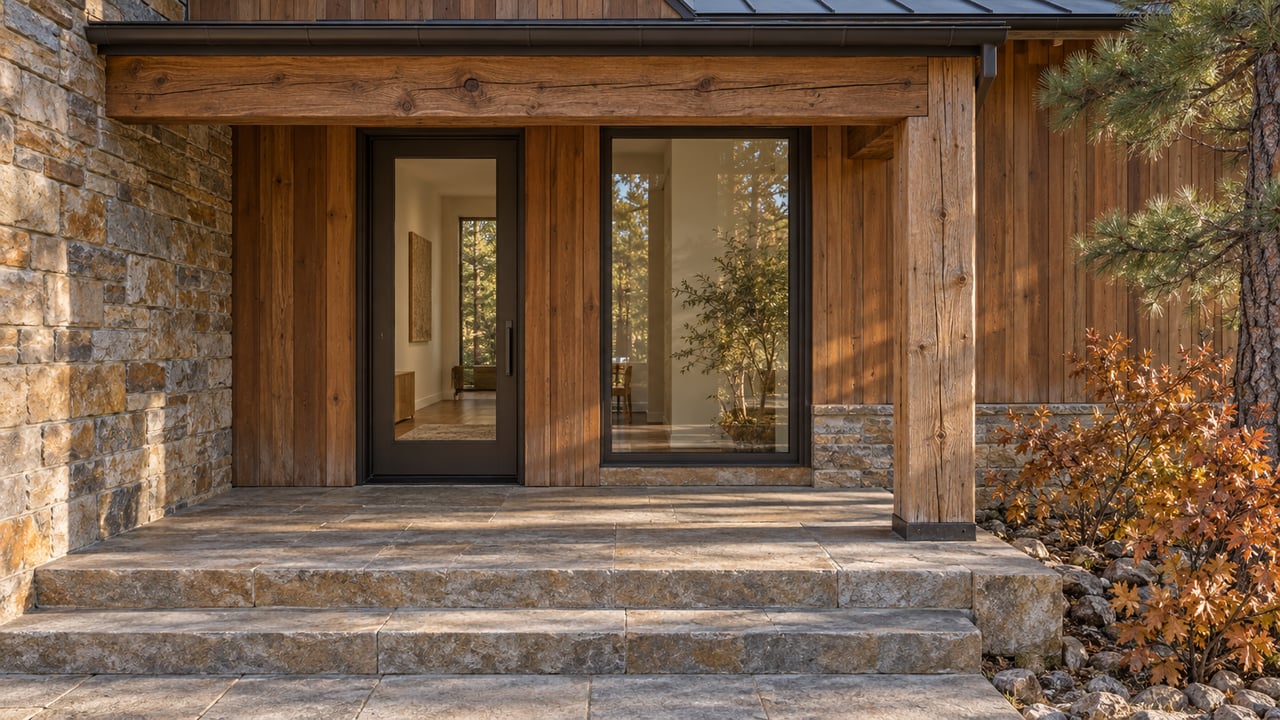
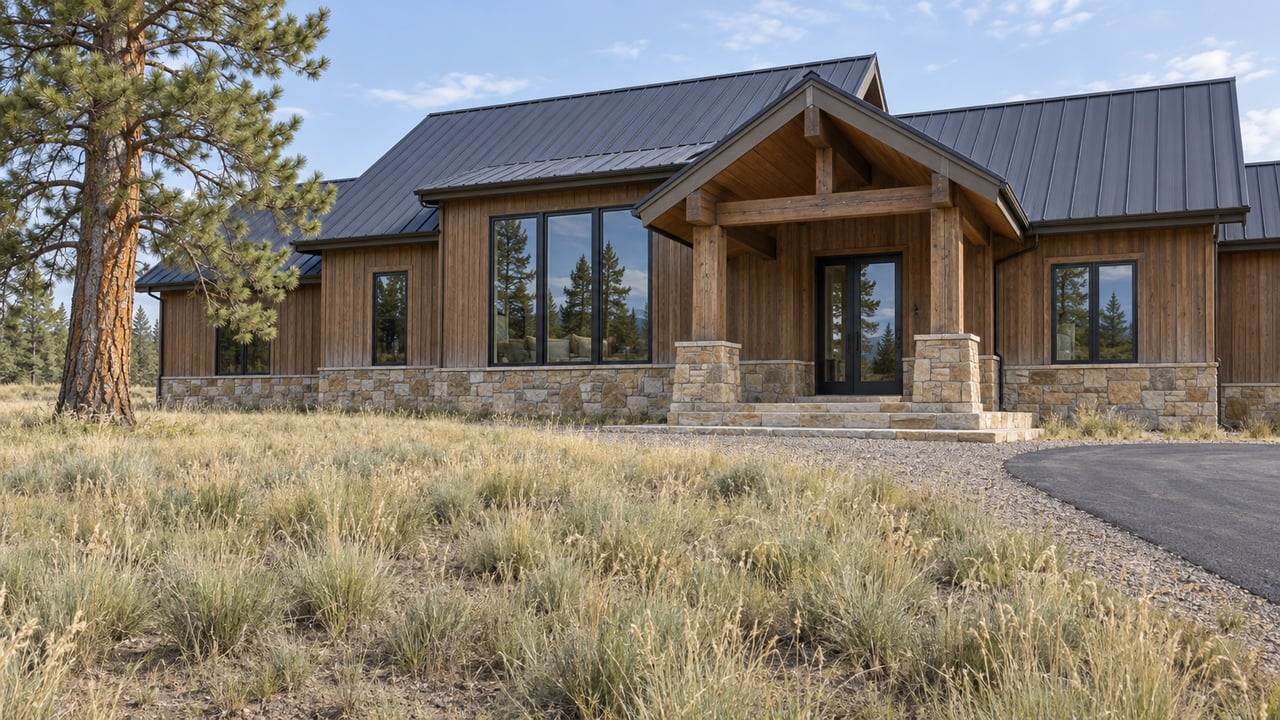
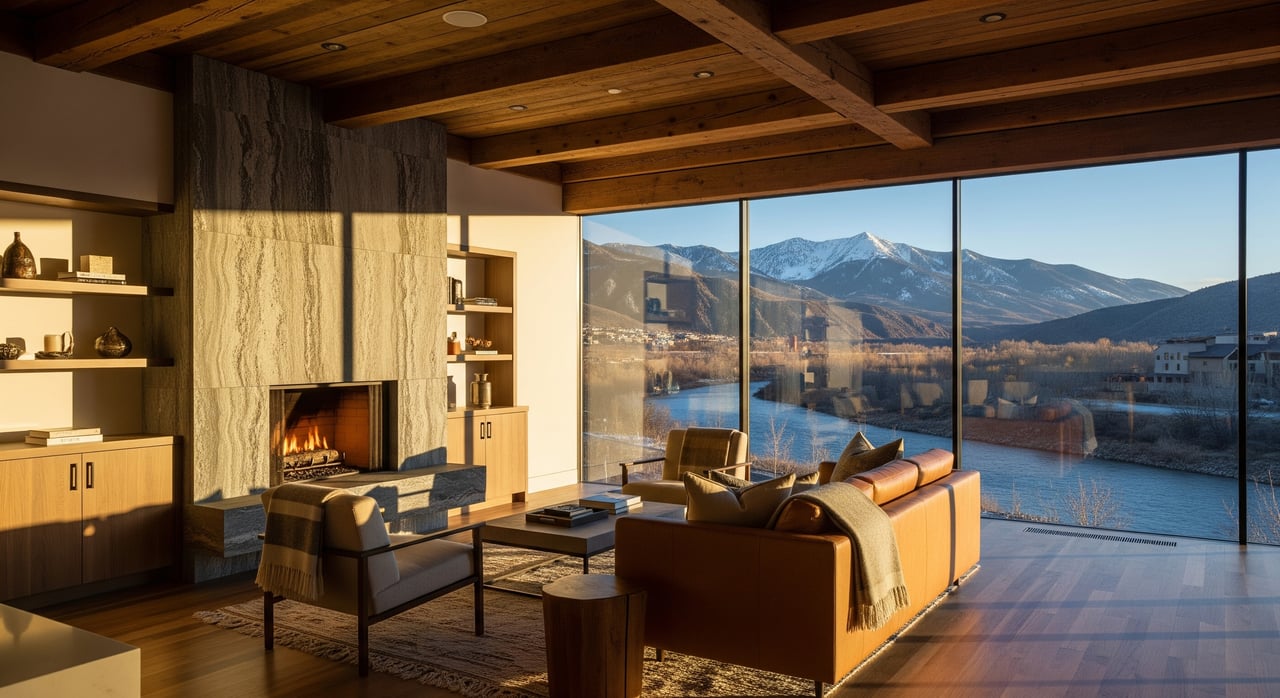
Mountain contemporary, sometimes called mountain modern, focuses on clean forms, large panes of glass, and a mix of natural and industrial finishes.
- Visual cues
- Bold, simple volumes with flat, shed, or low-pitched gable roofs
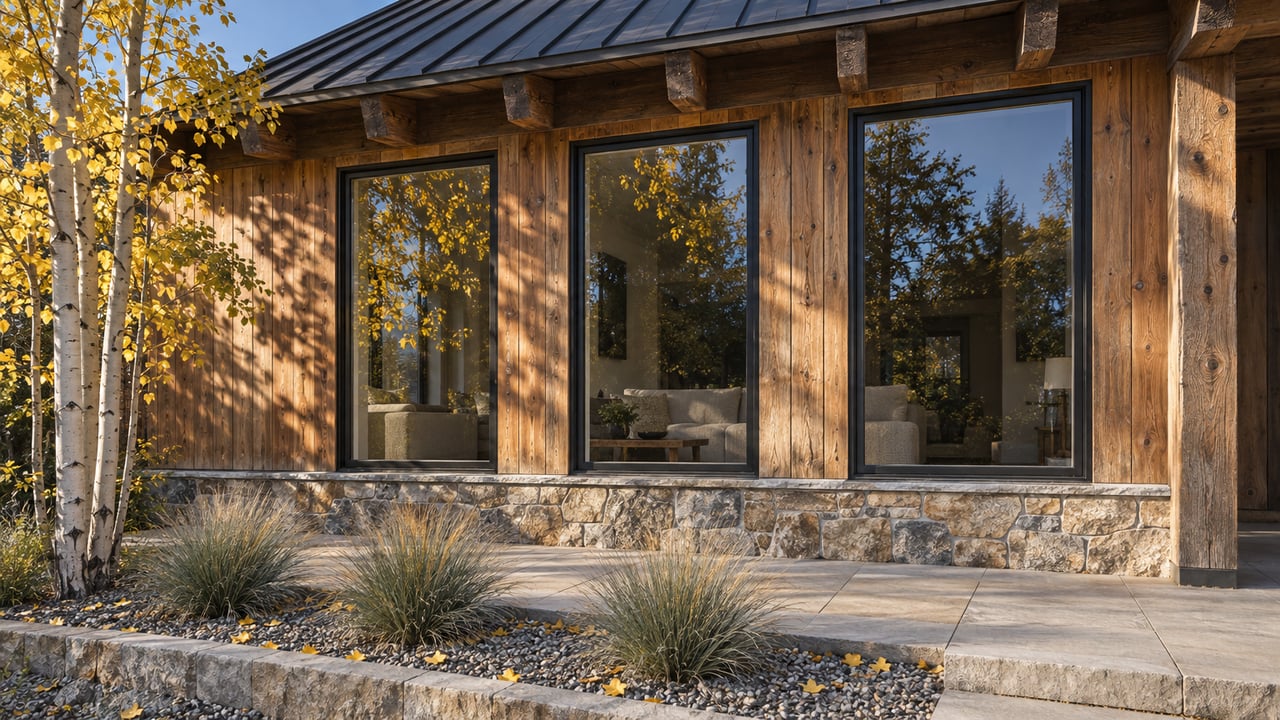
- Large windows, clerestories, and mixed materials like wood, metal, and stone
- Materials you will often see
- Standing seam metal roofs and accents
- High-performance glass with narrow frames
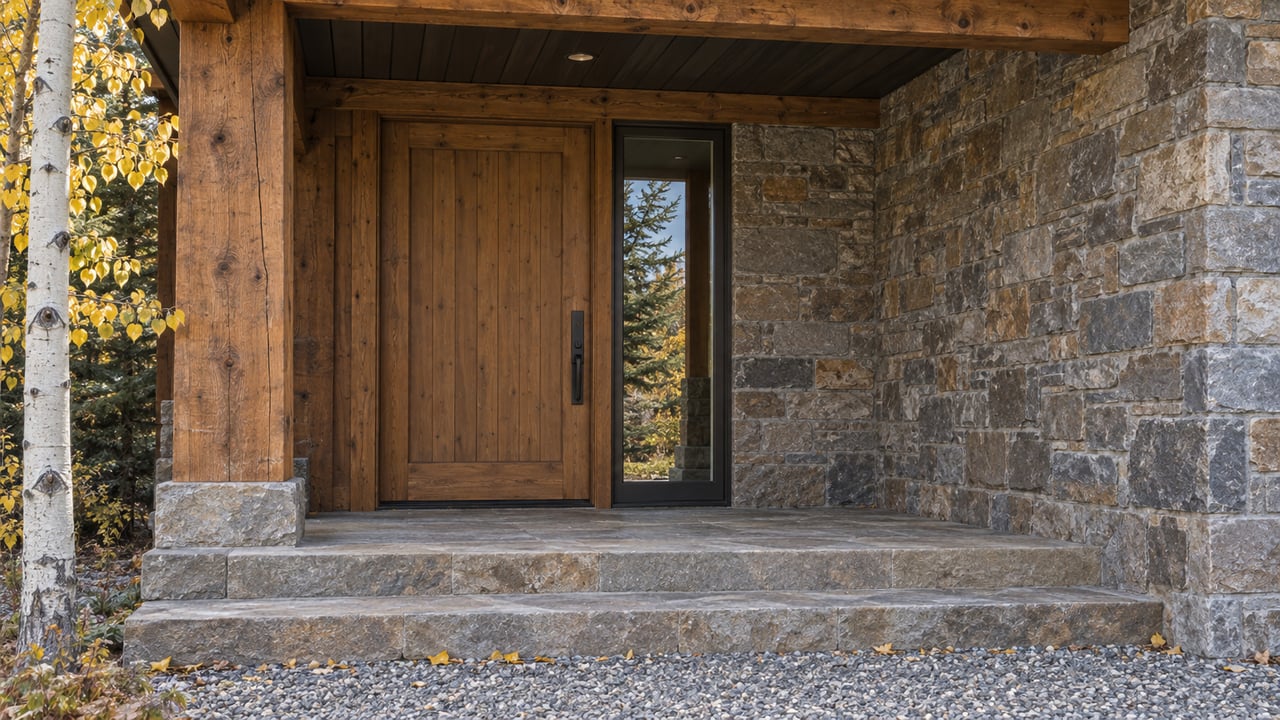
- Native stone veneers or full-stone bases
- What works here
- Large glazing performs best with double or triple pane low-E units and planned shading
- Metal roofs shed snow efficiently but need snow guards to protect walkways and entries
- Tight, insulated envelopes often pair with mechanical ventilation for indoor air quality
Southwest-influenced
Southwest-influenced homes reflect regional heritage with smooth stucco, parapets, and earth tones. In Durango you often see blended interpretations rather than strict Pueblo Revival.
- Visual cues
- Stucco walls, rounded corners, flat or low-pitched roofs with parapets
- Timber vigas and wood accents, wrought iron details
- Materials you will often see
- Cement plaster over wood or masonry substrates
- Wood corbels and trim elements
- What works here
- Stucco needs proper drainage planes, control joints, and flashing in freezing climates
- Flat roofs require robust waterproofing and clear drainage to avoid ponding in snow season
- Wood accents need preservative finishes anywhere snow and drip lines make contact
Materials that perform in Durango
Roofing
Durability and snow management are top priorities. Standing seam metal is popular for longevity and snow shedding. Architectural asphalt shingles remain a cost-effective option.
- Plan for snow loads with adequate pitch, snow guards, and clear runoff paths
- Ventilate attics to reduce ice damming
- Consider UV exposure and wind when choosing products
Siding and cladding
You can achieve the look you want while increasing durability.
- Fiber cement delivers a classic clapboard or shingle look with better moisture resistance than wood
- Engineered wood offers historic texture with improved rot resistance
- Natural wood suits purists who accept routine maintenance
- Stucco can succeed with careful detailing at transitions and penetrations
- Stone veneer at foundations and porch piers adds durability and a mountain feel
For wildfire awareness, the Colorado State Forest Service provides building and landscaping guidance. Review their resources at the Colorado State Forest Service.
Windows and doors
High-performance glazing pays dividends at elevation. The DOE’s Energy Saver and ENERGY STAR programs outline window and door options that improve comfort and reduce heat loss. Explore the DOE’s Energy Saver and the ENERGY STAR window and door guidance.
- Look for double or triple pane low-E units with argon or krypton fill
- Choose thermally improved frames like fiberglass, aluminum-clad wood, or thermally broken aluminum
- In historic homes, consider storm windows or sensitive retrofits that retain original sash
Insulation, air sealing, and HVAC
A tight, well-insulated envelope supports comfort and manageable utility costs.
- Prioritize air sealing and insulation to limit thermal bridging
- Common systems include natural gas furnaces, hydronic radiant floors, and heat pumps
- Mechanical ventilation like HRVs or ERVs helps maintain indoor air quality in tight homes
Foundations, drainage, and moisture control
Snowmelt and spring runoff can challenge older foundations.
- Verify grading around the home and ensure foundation drainage and waterproofing
- Confirm frost-protected footings or adherence to local frost-depth requirements
- Inspect for water intrusion history before you buy
Finishes and long-term protection
Strong sun and freeze-thaw cycles are hard on exterior finishes.
- Use UV-resistant paints and stains and high-quality sealants
- Composite or PVC trim can reduce rot risk in high-exposure areas
- Choose Class A fire-rated roofing and ember-resistant vents where appropriate, and follow CSFS defensible space practices
Match your style to the market
Before you fall in love with a façade, decide what matters most. Are you after authentic historic detail, minimal maintenance, top-tier energy performance, or panoramic glazing for views? You can have some of each, but trade-offs are real.
Quick house-hunting checklist
- Exterior condition and materials: siding type, trim, masonry, and roof age
- Windows and insulation: pane count, low-E coatings, and any retrofit work
- Heating system and energy profile: equipment type and age, radiant floors, and recent upgrades
- Snow and drainage: roof pitch, gutters, snow retention, and runoff paths
- Preservation or HOA oversight: confirm any historic district or design review requirements with the City
- Fire risk mitigation: defensible space and ignition-resistant materials
- Views and solar orientation: winter sun, shading, and potential for overheating
Questions to ask the seller or listing agent
- What exterior restorations or additions were completed and were they permitted
- How old is the roof and has there been any ice damming or leakage
- Any history of water intrusion, foundation movement, or pests
- Is the property subject to historic preservation review
- What are typical energy costs and when were HVAC or insulation upgrades last done
Work with the right specialists
- Hire inspectors experienced with mountain and historic properties
- For preservation, consult pros who know window, siding, and roofline repairs that respect character
- For performance goals, consider an energy audit to map payback and comfort gains
Remodel or move-in ready
- Historic homes can be upgraded without losing character, but plan for higher upfront costs and careful detailing
- Low-maintenance materials may reduce upkeep but could require approvals in preservation areas and can change market appeal
Regulations and best practices to know
If your home is within a historic district or visible along key corridors, design review may guide exterior changes, materials, and color palettes. Connect early with City staff and review local standards at durangogov.org.
When preserving older elements like windows, masonry, or wood trim, the National Park Service’s Preservation Briefs offer practical, research-based guidance. They outline sensitive approaches to repair and retrofit that respect character.
For energy and comfort planning, reference the DOE’s Energy Saver and the ENERGY STAR window and door guidance. In fire-prone zones or the wildland-urban interface, align materials and landscaping with the Colorado State Forest Service recommendations, and discuss insurance factors with your advisor.
The bottom line
Downtown Durango gives you choices. Craftsman warmth. Victorian detail. Contemporary clarity. Southwest texture. The best fit balances your eye for design with smart, climate-ready materials and a plan that respects local rules. When you know what to look for, you can buy with confidence and enjoy the lifestyle that brought you here.
If you want to narrow options, preview homes quietly, or position a unique property for the right audience, connect with Zach Morse. You will get boutique, high-touch guidance grounded in local expertise and supported by premium marketing and global reach.
FAQs
What mountain home styles are most common near Downtown Durango
- You will most often see Craftsman bungalows, a mix of Victorian-era examples, mountain contemporary builds, and Southwest-influenced homes in and around the downtown neighborhoods.
How do Durango’s winters affect roof and siding choices
- Snow, sun, and freeze-thaw cycles favor durable options like standing seam metal roofs, fiber cement or engineered wood siding, quality flashing, and planned snow management.
Are triple-pane windows worth it in a mountain contemporary home
- For large glass areas, triple pane often improves winter comfort and reduces condensation compared to double pane, especially when combined with low-E coatings and good frames.
Can I upgrade a historic home’s energy performance without losing character
- Yes. Approaches like storm windows, sensitive sash repairs, targeted insulation, and air sealing are common, often guided by the National Park Service’s Preservation Briefs.
Where can I learn about Durango’s design review and preservation requirements
- Start with the City’s Planning and Historic Preservation resources on durangogov.org and speak with staff before planning visible exterior changes.